Amber & Hazard Lighting Installation for Construction and Work Zone Vehicles in North Carolina
We install amber LED and strobe safety lighting on construction vehicles, utility trucks, and work zone equipment operated across the Triangle. Every installation meets the requirements of North Carolina G.S. (919) 730-0542 — so your vehicles are legal on the road and visible on the job site from the moment they leave our shop.
NC Compliance Is the Baseline. Visibility Is the Goal.
North Carolina law is specific about when amber warning lights are required and how they must perform. Getting that wrong puts your operators at risk and your company in violation. We know the statute, we know the equipment, and we install it correctly the first time — no guesswork, no callbacks.
Our vehicle safety lighting installation covers the full range of amber and hazard lighting applications for commercial and construction use:
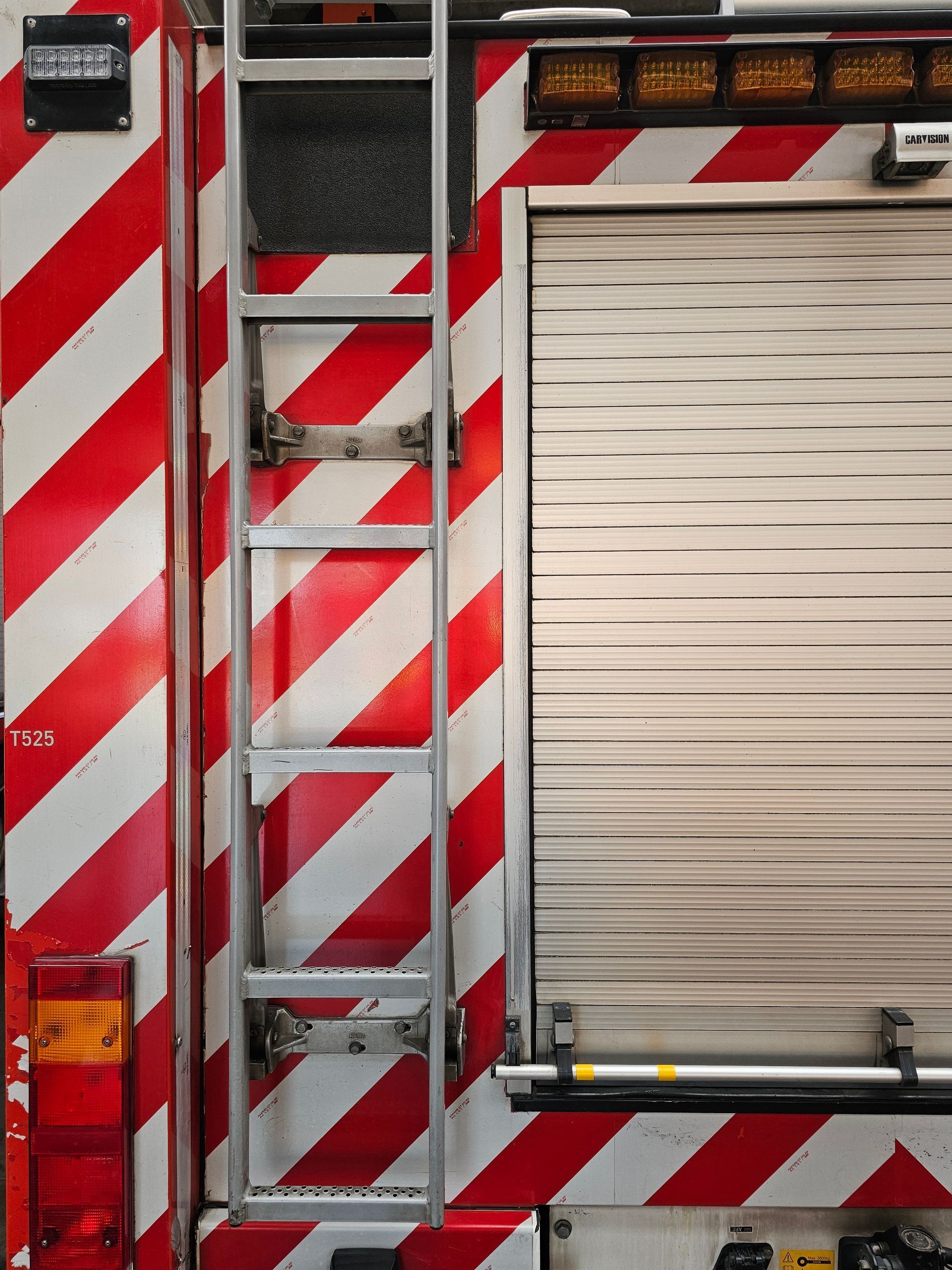
Amber LED light bars for slow-moving construction equipment and utility vehicles
Strobe and rotary warning lights for work zone trucks and pilot cars
Directional arrow boards and traffic advisor light bars
Magnetic and permanent mount options depending on vehicle type and use case
Multi-function lighting packages for vehicles that operate in both road and work zone contexts
What North Carolina's Amber Lighting Law Actually Requires
North Carolina G.S. (919) 730-0542 governs the use of amber warning lights on vehicles operating on public roads. The statute covers which vehicle types must carry warning lights, when those lights may be activated, and the visibility standards the equipment must meet. Vehicles that don't meet these standards can be cited — and in the event of a work zone incident, non-compliant lighting creates serious liability exposure.
We stay current on the requirements so our customers don't have to. When you bring a vehicle to our shop in Hillsborough, we spec the right equipment for your vehicle type and use case, install it to the correct mounting positions, and verify it meets the standard before the truck leaves.
Built for Construction Fleets, Not One-Off Jobs
Single-vehicle installations are welcome, but our shop is set up to handle fleet volume. If you're running a crew of five trucks or managing a seasonal rotation of construction and engineering vehicles, we can schedule and sequence installations to keep your fleet moving. We've handled large multi-vehicle buildouts across the Triangle — the logistics aren't new to us.
Contractors and engineering firms operating in Raleigh, Durham, Chapel Hill, and surrounding counties bring vehicles directly to our Hillsborough shop. For fleet customers, we coordinate staging to minimize downtime.
Amber Construction Lighting and Work Zone Hazard Lighting
We offer two focused service pages for the most common amber safety lighting applications we handle:
Amber Construction Lighting
LED amber warning lights for construction vehicles, slow-movers, and equipment that operates near or on public roads. Permanent and removable mount configurations available.
Work Zone Hazard Lighting
Strobe, rotary, and directional lighting for work zone trucks, pilot vehicles, and traffic control equipment. Spec'd and installed to meet NC work zone visibility requirements.
Frequently Asked Questions About Vehicle Safety Lighting in NC
Does my construction truck legally require amber warning lights in North Carolina?
It depends on how and where the vehicle operates. North Carolina G.S. 20-130.2 specifies which vehicle types are required to carry amber warning lights when operating on public roads. Vehicles used in construction, utility work, and slow-moving applications often fall under this requirement. If you're unsure whether your vehicles are covered, bring them in and we'll walk through the statute with you before we spec any equipment.
What's the difference between amber LED lighting and strobe lighting for work zone vehicles?
Amber LED light bars produce a steady or flashing amber signal and are typically used on slow-moving construction equipment and utility vehicles that need consistent 360-degree visibility. Strobe lighting produces a higher-intensity burst pattern and is common on work zone trucks, pilot cars, and traffic control vehicles where maximum conspicuity at distance is the priority. Many vehicles benefit from a combination of both, depending on their operating environment.
Can you install hazard lighting on vehicles that also need interior upfitting?
Yes. We handle commercial fleet upfitting and safety lighting out of the same shop in Hillsborough. If you need shelving, drawers, or cargo organization in addition to amber lighting, we can scope and complete both in a single visit. That's one of the more practical advantages of working with a shop that covers multiple upfitting categories.
Do you install lighting on vehicles you didn't originally upfit?
Yes. You don't need to have purchased a vehicle from us or had prior work done at our shop. If you have a construction truck or work zone vehicle that needs amber safety lighting installed or updated, bring it in and we'll assess what's needed.
How long does a typical safety lighting installation take?
Most single-vehicle amber lighting installations are completed within a day. More involved packages — directional bars, multi-zone lighting, or vehicles requiring significant wiring work — may run longer. For fleet customers, we schedule in stages to keep vehicles in rotation rather than pulling your whole fleet at once.
Get Your Vehicles Compliant and Back on the Job
If your construction or work zone vehicles need amber safety lighting installed to NC standard, we're ready to scope the work. Call us or submit a quote request and we'll follow up with what we need to get started.